
Description
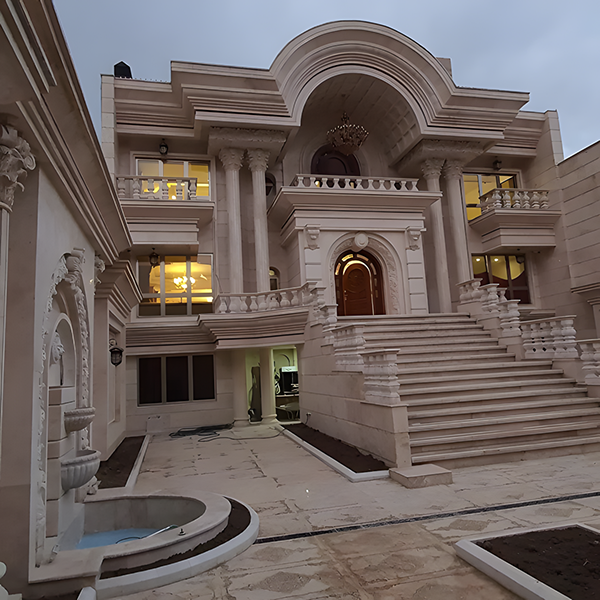
Traverine stone of Dareh Bokhari is one of the prominent natural products in the category of decorative limestone stones. Due to its unique features, it has always attracted the attention of both domestic and international architects and interior designers. Below is a comprehensive introduction to this stone, including its physical features, processing, applications, advantages and disadvantages, and important considerations when purchasing it.
Formation and Origin
- Natural Origin: Traverine stone of Dareh Bokhari is formed from mineral deposits caused by hot springs, caves, or riverbeds. The mineral waters passing through limestone lead to the deposition of calcium carbonate, creating layers of this stone over thousands of years.
- Extraction Area: The main mines of this stone are located in the Markazi province, specifically in the Mahallat district, where large-scale extraction (about 15,000 tons per month) takes place.
Physical and Chemical Properties
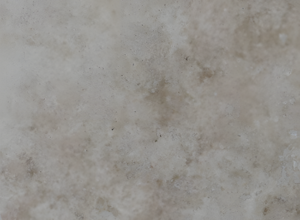
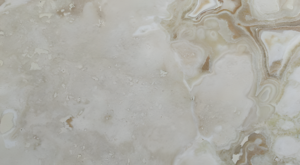
- Color and Pattern: Traverine of Dareh Bokhari offers a variety of colors, ranging from light white and cream to chocolate or beige. Some samples have beautiful patterns and waves that give the stone a unique appearance.
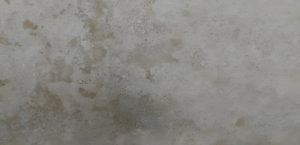
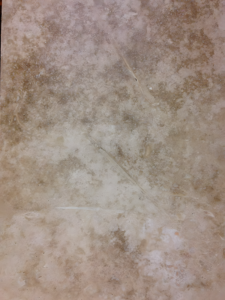
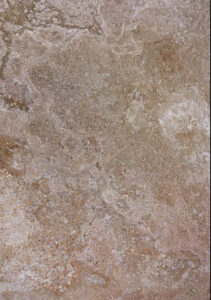
- Weight and Strength: This stone has a high specific weight and is known as one of the heavier travertine stones. Its adequate compressive strength makes it resistant to wear and environmental pressures.
- Water Absorption and Porosity: One of its important features is its very low water absorption and low porosity. These are further enhanced by treatments like resin or epoxy, ensuring its durability and surface beauty.
- Polishability: The high polishability of this stone allows the production of shiny and attractive surfaces, yielding a uniform and clear finish after processing.
Types of Processing and Sorting
- Wavy and Non-Wavy Processing:
- Wavy: The natural wave patterns and twists in the wavy stone make it suitable for use in flooring, interior facades, and both modern and classical décor.
- Non-Wavy: The smooth and uniform surfaces of this type are commonly used in external facades and classical Roman styles.
- Grading: Depending on the processing quality (polishing, resin coating, thickness, etc.) and the uniformity of color and pattern, Dareh Bokhari travertine is divided into various grades such as super, premium, grade one, and grade two.
Applications
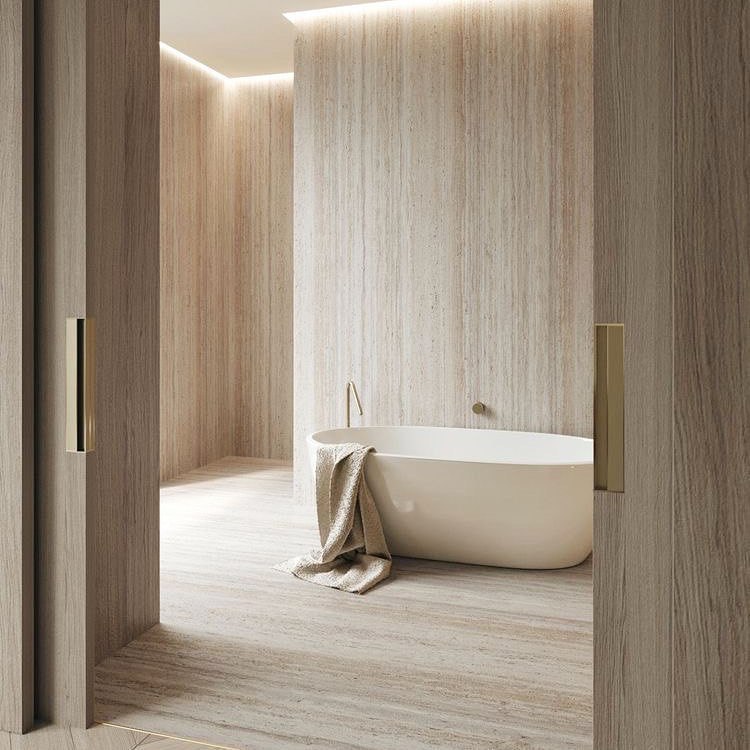
- Building Facades: Due to its aesthetic appeal and high resistance, it is used in both exterior and interior facades of luxury, Roman, and classical buildings.
- Flooring and Staircases: The wavy samples, in particular, are suitable for use in living rooms, hotels, and public spaces.
- Landscaping and Decorative Items: This stone is used in the creation of columns, balusters, fountains, and other decorative elements, adding a special touch to the space.
This versatile application range has made Dareh Bokhari travertine a multi-purpose choice in construction projects.
Advantages and Disadvantages
- Advantages:
- Low Water Absorption: Suitable for humid areas or regions with severe weather changes.
- High Strength and Durability: Resistant to pressure, abrasion, temperature changes, and sunlight.
- Beauty and Color Variety: Offers a wide range of warm and natural colors that give a luxurious look to facades.
- Excellent Polishability: It allows the creation of glossy and shiny surfaces after processing.
- Disadvantages:
- High Price in Premium Grades: Samples that are very white or have regular patterns and no streaks generally have higher prices.
- Sensitivity to Acid Rain: In some urban environments where acid rains are common, the stone’s appearance may be affected.
Important Considerations in Purchase and Use
- Choosing Based on Project Needs: Depending on the application (interior, exterior, flooring, or decoration), you should select between wavy and non-wavy models, different grades, and varying thicknesses.
- Processing Quality: Pay attention to the precise processing (polishing, resin or epoxy) as the final quality and durability of the stone depend on this.
- Attention to Color and Uniformity: Lighter and uniform colors typically indicate higher quality stones, but they are also more expensive. The choice should depend on your budget and project needs.
Technical Analysis of Dareh Bokhari Traverine
| Feature | Specific Weight | Abrasion Resistance | Pressure Resistance | Porosity | Water Absorption |
|---|---|---|---|---|---|
| Max | 2.5 g/cm³ | 4 | 60 MPa | 15% | 3% |
| Min | 2.0 g/cm³ | 2.5 | 50 MPa | 10% | 0.5% |
Conclusion Dareh Bokhari travertine, with its remarkable features such as low water absorption, high durability, excellent polishability, and color variety, is one of the ideal options for modern and classical building projects. Despite disadvantages such as the high price of premium samples and its relative sensitivity to acid rain, this stone remains a popular choice for architects and designers due to its luxurious appearance and long-lasting durability.

Reviews
There are no reviews yet.