Description
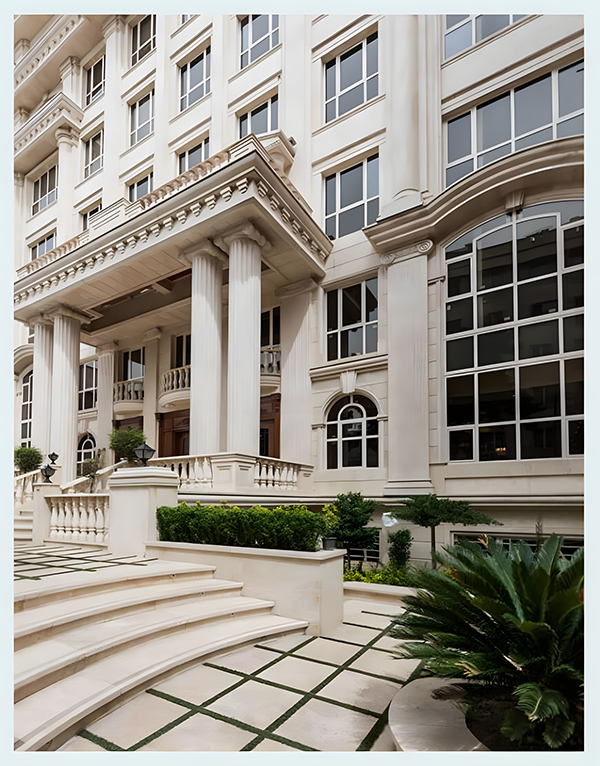
Travertine stone Atashkooh is one of the prominent types of sedimentary stones formed from carbonate deposits in warm and salty waters. This stone, extracted from the mines of Mahalat County in the Markazi Province, is highly popular both in domestic and international markets due to its light and uniform color (usually white or cream) and beautiful, limited vein patterns. As an example of luxury stones used in the facades of Roman, modern, and classic buildings, Atashkooh travertine is also known as the “Iranian White Stone.”
History and Origin
This stone is formed through the process of calcium carbonate deposition in warm and salty waters in environments such as hot springs and caves. The Atashkooh mines have been in operation since 1995 and are considered one of the active mines in the country. The name “Atashkooh” refers to the mountain range surrounding the mine, located near the city of Nimvar.
Physical and Chemical Properties
- Color and Texture:
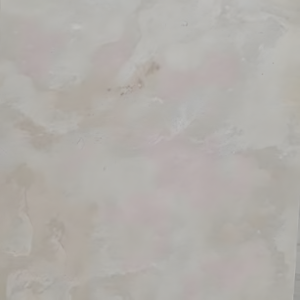
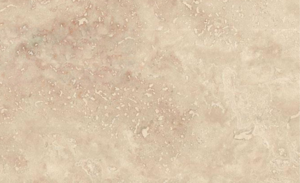
Atashkooh travertine has light colors such as white, cream, and beige. In high-quality grades, the color base is uniform, and impurities such as red or chocolate veins are very limited.
- Internal Structure:
It has a porous structure due to the accumulation of calcite and aragonite crystals. This structure results in the stone having a lower density than other carbonate stones. - Hardness and Resistance:
Typically, the hardness of this stone ranges from 3 to 4 on the Mohs scale. Its high resistance to pressure, impact, abrasion, and temperature changes is considered one of its key features.
Processing and Final Types
- Processing:
After extraction, Atashkooh travertine is typically cut into either a smooth (mostly) or veined form. Advanced cutting machines and high-quality resins are used in the processing to minimize waste and ensure the final product is of high quality and uniformity. - Sorting:
This stone is categorized into various quality levels, such as Super, Premium, and First Grade. Higher grades have a uniform light base color, very limited veins, and a smooth, crack-free surface. Lower grades may have red or chocolate veins and a rougher surface.
Applications of Atashkooh Travertine
Due to its aesthetic beauty, high durability, and resistance to environmental factors, this stone is used in various construction areas:
- Building Facades:
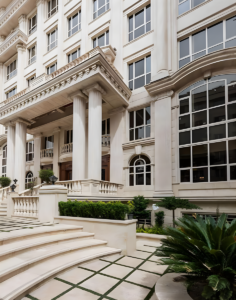
One of the main applications is in the external facades of luxury, Roman, classic, and modern buildings.
- Interior and Exterior Walls:
It is also used for interior wall coverings, including living rooms and entrances. - Landscaping and Artifacts:
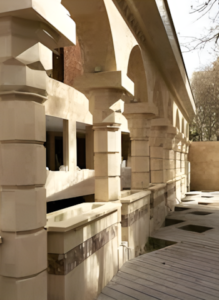
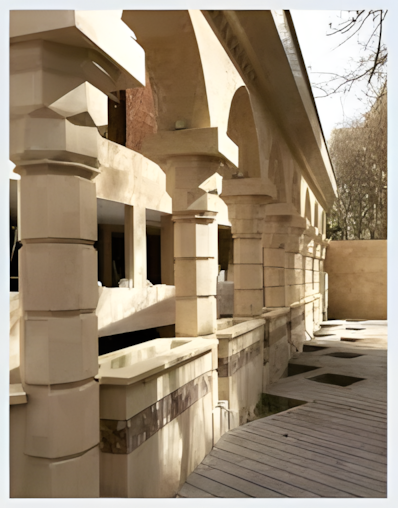
Used in the construction of stairs, flooring, columns, and even decorative items such as fountains, railings, stone furniture, and statues. - Exports:
Part of the production of this stone is exported as raw blocks (cop) to other countries.
Advantages and Disadvantages
- Advantages:
- Natural Beauty: The uniform light color and beautiful patterns give a luxurious appearance to buildings.
- High Resistance: Resistant to pressure, impact, heat, and various weather conditions.
- Excellent Adhesion: Exceptional adhesion to mortar, easy installation, and high strength.
- Thermal and Acoustic Insulation: Due to its porous structure, it serves as a relative insulator against heat and sound.
- Easy Maintenance: Requires minimal maintenance and does not need frequent repairs when cleaned and maintained properly.
- Disadvantages:
- Water Absorption: In lower grades, water absorption may lead to color changes or damage over time.
- Heavy Weight: Due to its weight and density, installation requires specialists and proper equipment.
- High Price: Due to its high quality and limited extraction, this stone is more expensive compared to other travertines.
- Sensitivity to Acidic Materials: Using acidic cleaners may damage the surface of the stone.
Important Points for Buying and Maintenance
- Choosing the Right Grade:
Attention to uniform color and smooth surface plays an important role in enhancing beauty and durability. - Checking Dimensions and Thickness:
For building facades, proper size and thickness (such as 40 cm slabs) are especially important. - Maintenance and Cleaning:
It is recommended to use neutral pH cleaners and soft cloths to avoid scratching the stone’s surface. - Specialized Consultation:
Considering the subtle differences in quality, consulting with reputable sellers and specialists can help make a better choice.
Color Variations and Design Diversity
Atashkooh travertine comes in various colors. Common colors include:
- Bright White: Super and Premium grades with uniform bases.
- Cream or Beige: In lower grades, which may have faint streaks or veins.
- Red or Chocolate Veins: Found in weaker grades, indicating a reduction in quality.
For specific architectural applications such as Roman and classic facades, veined or smooth versions are used, while modern facades often use veined travertine.
Analysis of Atashkooh Travertine
| Feature | Max Value | Min Value |
|---|---|---|
| Specific Gravity | 2.8 g/cm³ | 2.5 g/cm³ |
| Abrasive Resistance | 6 | 2.5 |
| Pressure Resistance | 60 MPa | 50 MPa |
| Porosity | 8% | 5% |
| Water Absorption | 1.5% | 0.3% |
Conclusion
Atashkooh travertine, with its unique features such as uniform color, high resistance, excellent adhesion, and luxurious appearance, is one of the best choices for use in facades and walls of modern, Roman, and classic buildings. Although its price is higher due to its quality and limited extraction, with proper maintenance and selection of the right grade, its durability and beauty can be enjoyed in long-term projects.

Reviews
There are no reviews yet.