
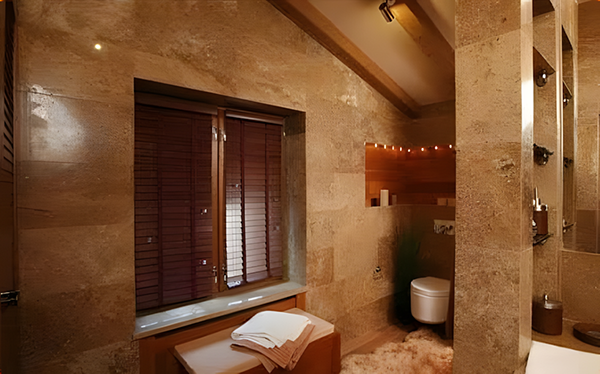
Description
Travertine is a type of sedimentary stone formed by the accumulation of limestone layers in hot springs. In Honey Travertine, the base color turns honey and cream due to the presence of specific minerals and salts, which is why it’s named “Honey.” This stone, due to its natural structure, has distinct pores and cavities that are important both aesthetically and technically.
Appearance and Technical Features
-
Color and Texture:
-
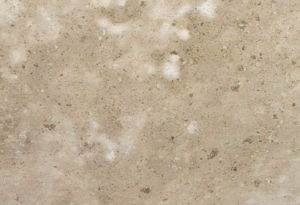
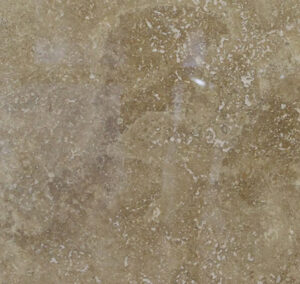
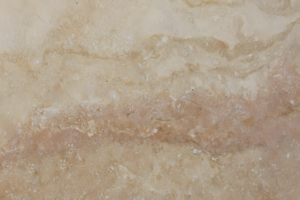
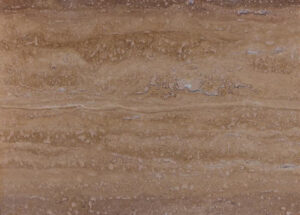
Warm and Natural Color: Honey Travertine, due to its yellow, cream, and brown shades with honey tones, gives a natural and pleasant appearance to the environment. This natural color can be combined with other materials like wood or metal to create a harmonious effect.
-
Unique Texture: The natural patterns, veins, and shades on the surface of the stone are prominent features. Depending on the quarry and extraction method, Honey Travertine is processed in two forms: “Wavy” and “Non-Wavy,” each having its own appearance and usage.
-
-
Structure and Weight:
-
High Porosity: Due to the natural cavities within the stone, Honey Travertine has a significant porosity, making it lighter than other building stones such as granite or marble.
-
Light Weight: This property makes it more suitable for use in facades and various parts of buildings from a structural load perspective.
-
Resistance and Durability
-
Weather Resistance: The mineral composition and natural structure of Honey Travertine provide high resistance to temperature fluctuations, sunlight, and weather conditions.
-
Adhesion and Ease of Installation: Due to its polishability and good adhesion to mortar, installing this stone on facades, wall coverings, and flooring is relatively simple and cost-effective.
Types of Honey Travertine
Due to extraction from various quarries in different parts of Iran, Honey Travertine is available in various grades, including:
-
Kashan Honey Travertine: Features a honey cream color with fine waves and suitable porosity, ideal for exterior facades and wall coverings.
-
Yazd Honey Travertine: With a porous texture and light honey color, it is an economical option for various projects due to its good workability and ease of cutting.
-
Hajiabad and Lushan Honey Travertine: These types vary in quality and color range; some may have fewer and more uniform veins.
-
Torq and Mahalat Honey Travertine: Each has unique visual and technical properties, suitable for the design and decoration needs of different projects.
Applications of Honey Travertine
Given its characteristics, Honey Travertine has a wide range of applications:
-
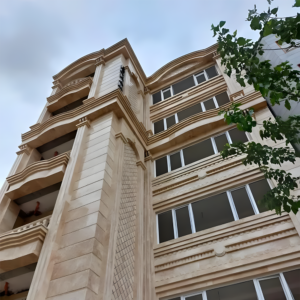
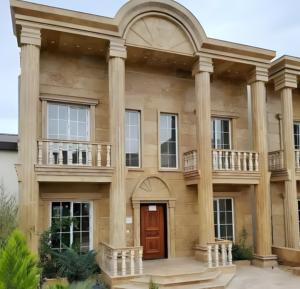
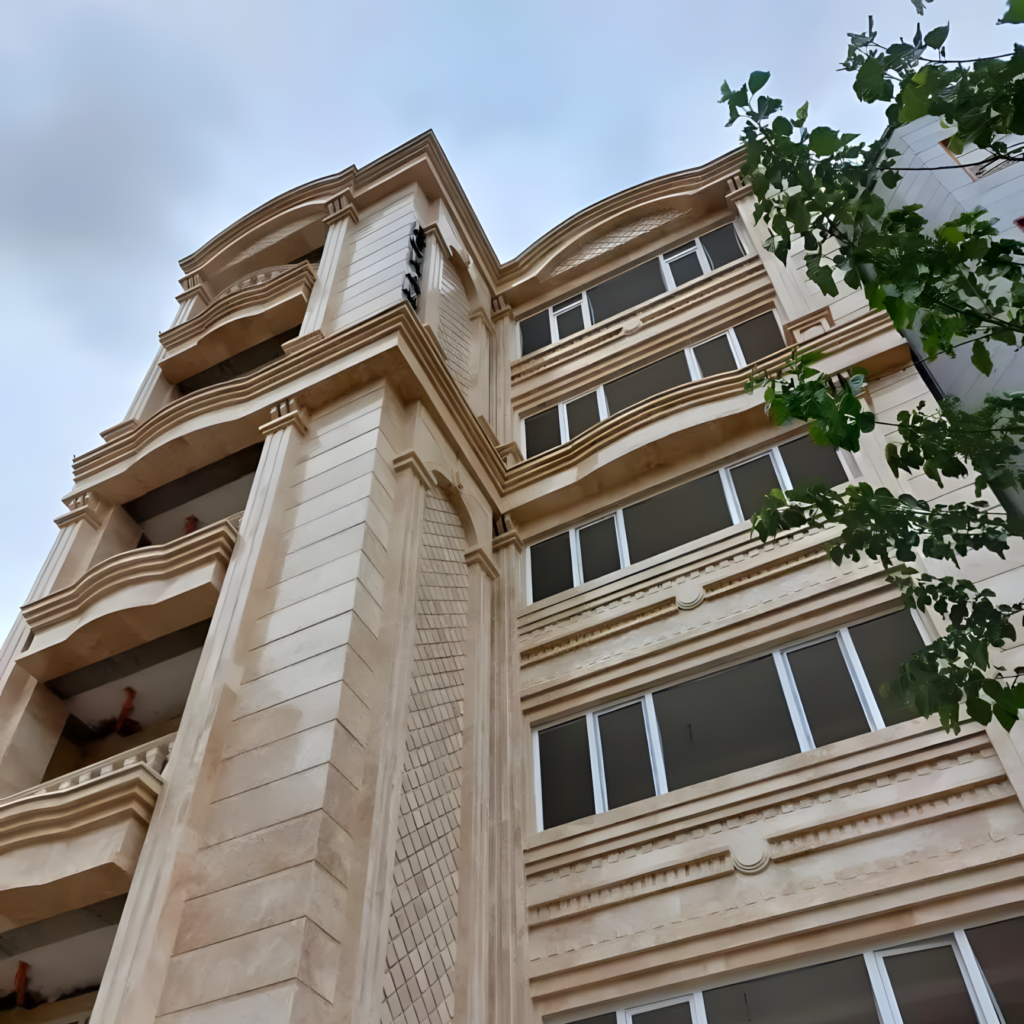
Exterior Facades: Its natural beauty and high resistance make it an ideal choice for building exteriors.
-
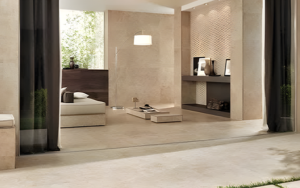
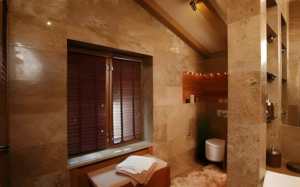
Interior and Exterior Wall Coverings: Used in living rooms, bathrooms, and other spaces to create a modern and natural look.
-
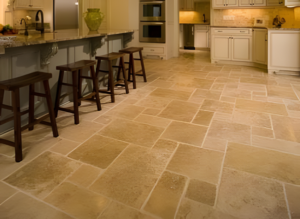
Flooring and Stairs: The light weight and adequate resistance make Honey Travertine suitable for flooring and staircase construction.
-
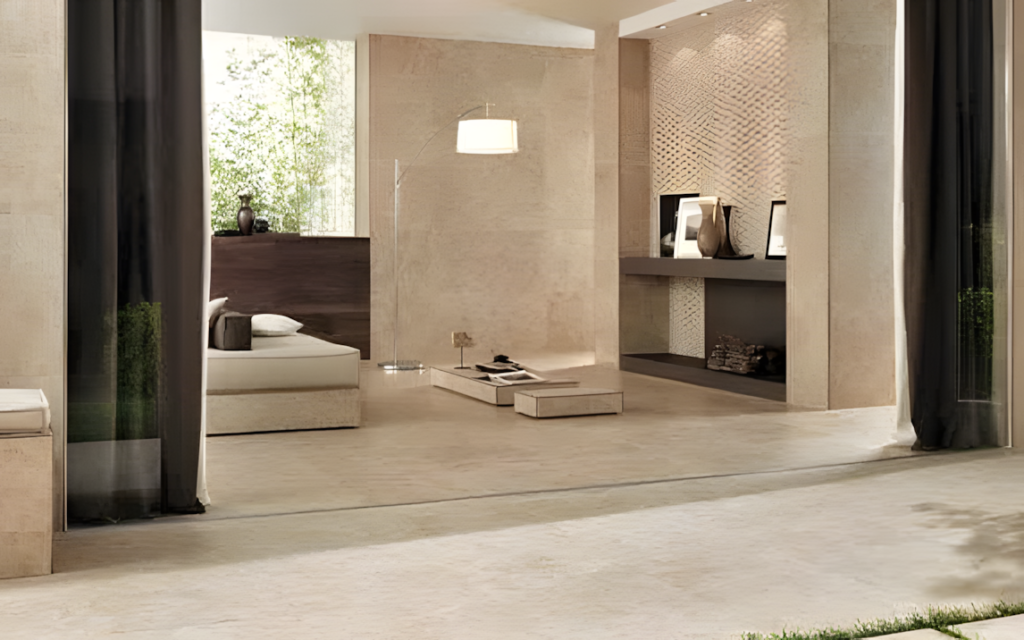
Decorative Elements: Used in kitchen countertops, stone rows, and other decorative elements in both interior and exterior spaces.
Advantages and Disadvantages
-
Advantages:
-
Natural Beauty: The warm color and unique patterns give the building a natural and elegant appearance.
-
Light Weight: Reduces structural load and makes transportation easier.
-
High Resistance: Offers relatively good resistance to weather, wear, and pressure.
-
Ease of Installation: Its polishability and easy cutting make installation quick and efficient.
-
Economical: Compared to some other luxury stones, Honey Travertine is usually more affordable.
-
-
Disadvantages:
-
Sensitivity to Stains and Acid: Due to high porosity, it may stain or be damaged by acidic materials if not properly protected.
-
Requires Regular Maintenance: To maintain its shine and prevent water and dirt infiltration, it requires periodic cleaning and care.
-
Maintenance and Care Tips
To preserve the beauty and durability of Honey Travertine, it’s recommended to:
-
Regular Cleaning: Use appropriate cleaners and cold water to prevent damage to the stone’s structure.
-
Use Protective Coatings: To reduce water penetration and prevent staining, special waxes or protective products for stone can be applied.
-
Avoid Acidic Materials: Take precautions in areas where contact with acidic substances is possible.
Technical Analysis of Honey Travertine
| Property | Maximum | Minimum |
|---|---|---|
| Specific Weight | 2.70g/cm³ | 2.40g/cm³ |
| Abrasion Resistance | 50% | 30% |
| Pressure Resistance | 65MPa | 55MPa |
| Porosity | 15% | 10% |
| Water Absorption | 3% | 1.5% |
Conclusion
Honey Travertine, with its warm and natural color, light weight, high resistance, and easy installation, is a popular choice for building facades and interior decoration. Choosing the right grade (such as Kashan, Yazd, or Hajiabad Honey Travertine) and following maintenance tips can ensure durability and beauty in building projects. Ultimately, Honey Travertine offers a unique and cost-effective option for architects and builders.

Reviews
There are no reviews yet.