
Description
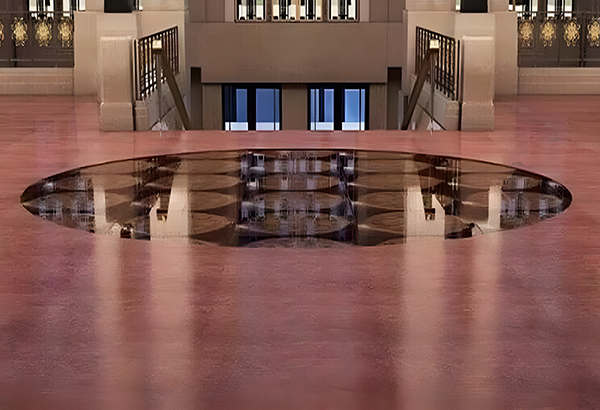
Red Yazd granite is one of the most popular and high-quality building stones produced in Iran. Due to its technical characteristics, natural beauty, and excellent durability, it is widely used in both interior and exterior architectural projects. Below, we will take a comprehensive look at its features, applications, advantages, and disadvantages.
Key Features of Red Yazd Granite
• Color Variety:
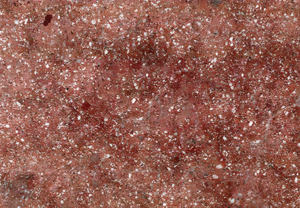
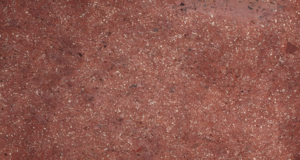
This stone comes in a wide range of colors, from light red (commonly known as “tomato red”) to dark red (known as “plum red”). The presence of black, brown, and white grains evenly distributed on the stone’s surface gives it a unique and natural appearance.
• Physical Structure:
Technically, Red Yazd granite has excellent polishability, very low water absorption, and outstanding resistance to pressure, impact, cold, and heat. These features make it an ideal choice for use in harsh environmental conditions.
• Surface Quality and Finish:
Thanks to its high polishability, this stone can achieve glossy, polished, or even leather-like surfaces. Depending on the type of processing and finish, its final appearance for façades, floors, or stairs can vary significantly and look stunning.
• Resistance and Durability:
With its low porosity structure, Red Yazd granite boasts high resistance to abrasion, impact, and temperature changes. These features make it suitable for high-traffic areas and places exposed to extreme environmental factors.
Common Applications
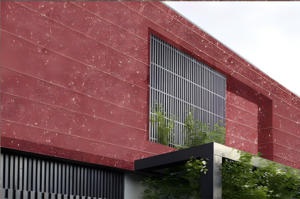
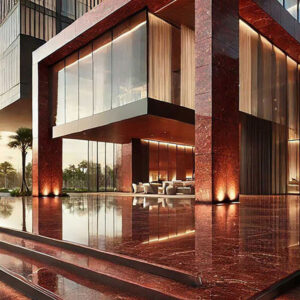
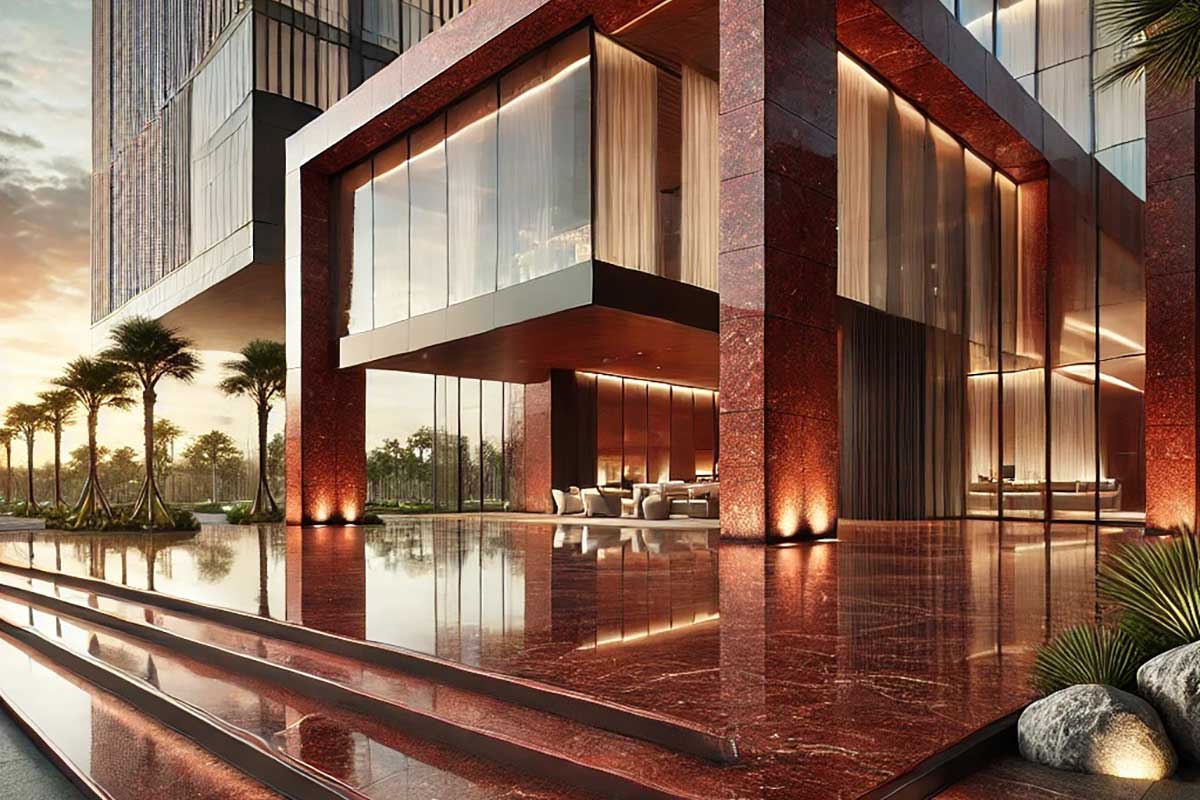
• Building Façades:
Thanks to its resistance to weather conditions and natural beauty, it is highly suitable for exterior building façades.
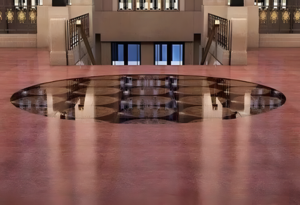
• Flooring:
It is used as flooring in indoor spaces like lobbies, halls, offices, and even outdoor environments.
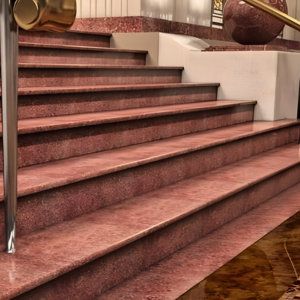
• Stairs and Staircases:
Its high resistance to abrasion and impact makes it an ideal option for stairs and stairwells.
• Bathrooms and Kitchens:
Low water absorption and resistance to heat and cleaning agents make this stone suitable for use in countertops, cabinets, and walls in bathrooms and kitchens.
Quarry and Extraction Process
• Source of Extraction:
The main quarries of Red Yazd granite are located in Yazd province, especially near the areas of Qaleh Khargushi and Gavkhouni Wetland. The quality of stone extracted from these quarries is one of the key factors for architects and builders when choosing this material.
• Cutting and Finishing Process:
The stone is produced in bulk and cut according to dimensions (such as 40×40 tiles or longitudinal slabs) and thickness (usually 2 to 3 centimeters). Various finishes, including glossy (mirror-polish), or matte (flamed, honed, leathered), depend on the user’s choice and the final application.
Advantages and Disadvantages
Advantages
-
Durability and Resistance:
Extremely high resistance to pressure, impact, abrasion, and temperature changes allows this stone to remain unchanged in different environments. -
Natural Beauty:
The variety of colors and natural grain patterns give spaces a unique and attractive look. -
High Polishability:
The ability to achieve glossy or matte surfaces based on decorative needs is a significant advantage. -
Low Water Absorption:
Due to its dense structure, it resists moisture penetration and is resistant to stains and pollution.
Disadvantages
-
Higher Processing Costs:
Due to its hardness, extracting, cutting, and finishing this stone is more expensive compared to some other stone types. -
Heavy Weight:
Because of its weight, Red Yazd granite requires specialized transportation and installation and needs special consideration in structural design.
Technical Analysis of Red Yazd Granite
| Feature | Specific Weight | Abrasion Resistance | Pressure Resistance | Porosity | Water Absorption |
|---|---|---|---|---|---|
| Max | 2.75 g/cm³ | 7 | 274.6 MPa | 2% | 0.5% |
| Min | 2.63 g/cm³ | 2.6 | 88.3 MPa | 0.05% | 0.4% |
Conclusion
Red Yazd granite, thanks to its exceptional features such as high durability, natural beauty, abrasion resistance, and low water absorption, is considered one of the best choices for façades, flooring, stairs, and other building applications. Although its processing and transportation costs may be higher than some other stones, its high quality and long-lasting nature make it a worthwhile investment.

Reviews
There are no reviews yet.